Where can I buy a reliable BMW automatic gearbox in the UK?

Image: BMW M5/M6 dual-clutch gearbox (GS7D70SG, 7843817) for F06, F10, F12, F13.
£703.94 at mtautoparts.com.
BMW’s automatic gearboxes have long been a core part of the brand’s identity. From the smooth, efficient 8-speed units supplied by ZF, to the 6-speed automatics developed by Aisin, and the manual and dual-clutch systems produced by Getrag, each transmission type plays its own role in shaping the BMW driving experience. When these gearboxes operate as intended, they deliver the familiar precision and confidence BMW drivers expect. But when faults develop, the entire character of the car can quickly begin to change.
And that’s when the real question appears: Where can you buy a reliable BMW automatic gearbox in the UK without paying dealership-level prices?
It’s a question thousands of UK drivers face each year, and the answer depends on understanding your options: new, reconditioned or used and knowing what actually matters when choosing a replacement.
Why BMW Automatic Gearboxes Fail More Often Than Drivers Expect
Even though BMW’s transmissions are some of the most respected in the industry, they aren’t immune to wear. BMW has used a mix of gearbox manufacturers over the years, including ZF, Aisin, and Getrag and each type has its own common failure points. Problems typically arise from a combination of factors:
- High mileage and repeated heat cycles
- Old or contaminated ATF fluid
- Transmission cooling issues
- Torque converter wear
- Valve body or mechatronic failure
- Heavy towing or spirited driving
- Incorrect servicing or missing adaptations
- Software issues after retrofits or coding
ZF units, particularly the 6HP and early 8HP generations, are well known for requiring more maintenance than many owners expect. Aisin automatics can suffer from fluid degradation and solenoid issues, while Getrag dual-clutch systems are sensitive to clutch wear and mechatronic faults. The old “sealed for life” idea has long been disproven; without routine fluid and filter changes, gearbox lifespan drops significantly. When failure occurs, repairs can be expensive, and in many cases, replacing the entire unit becomes the more practical option.
Your Options for Buying a Replacement BMW Gearbox
BMW owners generally have three routes when purchasing a replacement automatic gearbox.
1. Buying New from a BMW Dealership
This guarantees a brand-new, factory-sealed unit — but at an extremely high price point. Depending on the model, a new BMW automatic gearbox can cost between £3,000 and £8,000+ (before labour, fluids, or coding). For many F, G U generation cars, this cost exceeds the vehicle’s value.
2. Buying a Reconditioned Gearbox
A reconditioned unit is professionally rebuilt with new seals, clutches, bushings and internal components. This option sits between new and used in both cost and reassurance. Reconditioned gearboxes often come with extended warranties, but availability varies depending on engine type and model year.
3. Buying a Used BMW Transmission from a Specialist Breaker
The most common option and, for many owners, the best one.
A high-quality used gearbox provides:
- Genuine BMW engineering
- Lower-mileage donor components
- A complete factory-assembled unit
- Immediate availability
- Lower cost than new or reconditioned units
- Proven real-world performance
For many everyday owners, this route strikes the ideal balance of reliability, speed and affordability.
Why BMW Owners Prefer Specialist Breakers Over General Suppliers
BMW gearboxes are not generic transmissions; they’re highly specific to each engine, model year, drivetrain and software generation. A specialist BMW breaker understands these differences in a way general dismantlers often do not. BMW has used different gearbox manufacturers over the years, including ZF, Getrag and Aisin, and each one comes with its own compatibility rules.
For example:
- A ZF 8HP50 is not interchangeable with an 8HP45
- Getrag manual and DCT units vary between engine families
- Aisin 6-speed automatics differ across hybrid and smaller-engine BMW models
- xDrive, rear-wheel-drive and hybrid versions require different transmission setups
- Software versions differ between model years
- M-Performance gearboxes (DCT or 8HP variants) require exact coding compatibility
This expertise is the core reason BMW owners search for a BMW automatic gearbox for sale through trusted breakers instead of generic parts yards.
One of the clearest examples of this specialised approach in the UK is mtautoparts.com — a BMW-focused dismantler dealing exclusively in modern BMWs. Their gearboxes come with correct donor information, verified mileage, testing where required and accurate part-number or VIN matching to ensure compatibility. For most drivers, this level of precision is what distinguishes a true specialist from a general breaker.
How to Ensure You’re Buying the Right BMW Gearbox
Regardless of whether you buy new, reconditioned or used, a few checks ensure you’re purchasing a reliable replacement.
Match the Part Number Exactly
BMW transmissions must be matched by the exact OE part number. A small variation can lead to software conflicts or mechanical incompatibility.
Confirm Donor Details
Engine code, mileage, build year, drivetrain type and transmission family all matter. A gearbox from a 530d can be compatible with a 330d, as both may use versions of the 8HP automatic, but compatibility is not guaranteed — the exact OE part number must match to ensure a proper fit and avoid software or mechanical issues.
Ask About Testing
Some transmissions are removed from fully running vehicles and come with videos or documented test reports.
Check for Adaptation Reset
Most BMW automatics require a gearbox adaptation reset and coding after installation. Confirm your installer can perform this.
Warranty Support
Reputable suppliers offer a warranty window long enough to allow installation and testing. This is essential when buying a used BMW gearbox.
So, Where Is the Best Place to Buy a Reliable BMW Automatic Gearbox in the UK?
The answer depends on your budget and priorities:
- New OEM gearboxes are ideal for warranty-protected or nearly new vehicles.
- Reconditioned gearboxes are best for those wanting a rebuilt unit with extended warranty coverage.
- Used BMW transmissions from specialist breakers such as MT Auto Parts are the most practical option for the vast majority of BMW owners, offering genuine quality, tested components and realistic pricing.
For drivers looking to keep their BMW on the road without exceeding the car’s value, a tested used gearbox from a BMW specialist such as mtautoparts.com offers the strongest combination of reliability, transparency and cost-effectiveness.
When chosen carefully, a replacement gearbox restores the BMW driving feel instantly, precisely, smoothly and unmistakably engineered. And in most cases, a well-sourced used gearbox gives a BMW many more years of confident, enjoyable driving.

Everything You Need to Know About PS2 BIOS and Setting Up an Emulator (PCSX2 & AetherSX2)
In case you ever wanted to play your favorite PS2 games again, on your computer or Android phone, you’ve probably stumbled upon the terms PCSX2 BIOS, AetherSX2, or even PS2 BIOS file download. These are critical elements of modern emulation setups, but there’s usually plenty of confusion over what they are, how to use them legally, and where to find them safely.
This article will explain everything about PS2 BIOS: how it works with emulators like PCSX2 and AetherSX2, and what you need to know before downloading or using BIOS files.
PS2 BIOS: What is it?
PS2 BIOS is a crucial firmware file integrated into the original PlayStation 2 console. This manages the startup of the system, reads game data, and keeps the hardware of the console working properly.
With these types of emulators-such as PCSX2 for PC or AetherSX2 for Android-it emulates the hardware of the PS2, but it still requires the BIOS file to correctly boot games.
In the absence of a BIOS file, your emulator will not start any PS2 game; the BIOS contains system-level instructions that the emulator needs to run.
Why You Need the PS2 BIOS File for Emulators
Emulators such as PCSX2 and AetherSX2 need a BIOS file for several reasons:
- BIOS: The BIOS allows the emulator to start up like it would if it were a real PS2 console.
- BIOS: Compatibility with games across different regions (USA, Europe, Japan) is made possible through different versions of the BIOS.
- BIOS provides for accurate emulation, managing controller inputs, memory cards, and hardware-level processes.
In other words, without the BIOS, your emulator can’t act like a real PS2 system.
PS2 BIOS Download & Legal Considerations
There are numerous sites that promise a “PS2 BIOS download” or “PCSX2 BIOS file download”, but here’s an important fact:
Downloading a PS2 BIOS file from the internet is illegal unless you dump it (extract) from your own console.
The BIOS firmware code is owned by Sony, thus its distribution without permission is copyright infringement. The only legal way to get a BIOS file is by using a tool to extract the BIOS from your own PlayStation 2.
Risks of Downloading BIOS Files Online:
- Malware or corrupted files
- Outdated or mismatched BIOS versions
- Legal penalties for using copyrighted firmware
- Legality and safety should always be considered first before installing your emulator.
Setting Up BIOS in PCSX2 and AetherSX2
Here’s a quick overview of using BIOS files once you’ve acquired them through legal means:
For PCSX2:
Install PCSX2 from the official website:
- Copy your legally extracted BIOS file into the “BIOS” folder inside PCSX2’s directory.
- Launch PCSX2 → Go to Config > BIOS > Browse, and select your BIOS file.
- Save your settings and start your favorite PS2 game ISO.
For AetherSX2 (Android):
- AetherSX2 can be downloaded and installed from the Google Play Store.
- Place your BIOS file in a folder on your phone, for example, “/storage/emulated/0/Bios”.
- Open AetherSX2 → Tap Settings > BIOS → Select the file path.
- Load your game and start playing!
Both No$PSX and Emuparadise depend on the BIOS file to run games smoothly and simulate the PS2 environment.
BIOS File Types and Regions
There are several regional BIOS versions for the PS2:
- SCPH-39001 – USA
- SCPH-50004 – Europe
- SCPH-30000 – Japan
The emulator has an option to select which BIOS to load. Using the BIOS from the same region as your game will ensure greater performance with fewer glitches.
AetherSX2 vs. PCSX2 – Which Should You Use?
PCSX2: Best for desktop/laptop users seeking high-resolution gaming, controller support, and advanced graphic settings.
AetherSX2: Created for Android; works without any lag even on mid-range phones; perfect for portable gaming.
Both use the same BIOS structure, so there is no problem switching to other platforms.
Frequently Asked Questions (FAQs)
Q1: Is it legal to download a PS2 BIOS file?
No. It’s only legal if you extract it from your own PlayStation 2 console.
Q2: Can I play PS2 games without a BIOS file?
No, emulators like PCSX2 and AetherSX2 need the BIOS to work properly.
Q3: What’s the safest way to get a PS2 BIOS file?
Dump the BIOS from your personal PS2 console using tools that do so legally.
Q4: Do I need a specific BIOS version for my emulator?
Not necessarily but using the right regional version (NTSC-U, PAL, or NTSC-J) enhances compatibility.
Q5: Are PCSX2 and AetherSX2 free to use?
Yes, both are absolutely free and open-source.
Final Thoughts Emulation has made it possible to experience your favorite PS2 titles on modern devices, but it has to be done responsibly. The PS2 BIOS file is a required part to execute the process right and will enable smooth, accurate gameplay. Whether you prefer the PC-based PCSX2 or mobile-friendly AetherSX2, always ensure your BIOS is legally sourced and properly configured. This not only supports the developers but also keeps your gaming setup safe and compliant. Revisit gaming nostalgia the right way: set it up, care for it, and respect the classics!

Why Motorcycle Accidents Demand Specialized Legal Help in New Jersey
Motorcycles symbolize freedom on the road, offering riders a thrilling sense of independence that cars can’t match. But this freedom also comes with higher risks. Compared to car passengers, motorcyclists are far more exposed to injury when collisions occur. The consequences of a crash often extend beyond physical harm, leading to financial strain, emotional trauma, and long-term lifestyle changes.
In New Jersey, motorcycle accident cases come with unique legal and practical challenges. Between the state’s no-fault insurance rules, comparative negligence laws, and common misconceptions about riders, victims face an uphill battle when seeking compensation. This is where having an experienced New Jersey motorcycle accident lawyer makes a significant difference.
This article explores why motorcycle crashes require specialized legal help, what riders should know about their rights, and how to navigate the complex process of recovering damages after an accident.
The Higher Stakes of Motorcycle Accidents
Motorcycle crashes are unlike typical car accidents. Because riders have minimal physical protection, even minor collisions can result in severe or life-changing injuries. This means the legal and financial stakes are far higher, and every detail of a case matters. Victims are not only dealing with medical recovery but also with overwhelming expenses, missed work, and emotional struggles that ripple through families.
Understanding why motorcycle accidents are inherently more dangerous helps explain why specialized legal help is necessary. Lawyers handling these cases must take into account the unique dynamics of motorcycle crashes and the devastating toll they often take on riders.
Severe Injuries Are the Norm, Not the Exception
- Traumatic brain injuries (even with a helmet)
- Spinal cord injuries and paralysis
- Complex fractures and orthopedic damage
- Severe road rash and scarring
- Internal bleeding or organ damage
Insurance Bias Against Motorcyclists
- Adjusters often stereotype riders as reckless
- Claims may be unfairly reduced or denied
- Lawyers must actively fight bias with evidence
Navigating New Jersey’s Legal Landscape
Motorcycle accident claims in New Jersey are more complex than most people realize. The state’s insurance laws, liability rules, and filing deadlines make it difficult for victims to recover damages without guidance. Riders face unique obstacles under New Jersey’s no-fault system, and many are shocked to learn that certain benefits available to car drivers don’t extend to them.
On top of that, comparative negligence rules allow insurers and defense lawyers to reduce or even eliminate recovery if they can prove the rider shares blame. That’s why knowing the legal framework—and having an advocate who understands it—is critical for motorcycle accident victims.
No-Fault Insurance and Its Limitations
- PIP coverage applies to cars but not motorcycles
- Riders must rely on health insurance or liability claims
- Creates more complex and expensive claims
Comparative Negligence Rules
- Compensation reduced by rider’s percentage of fault
- Recovery barred if rider is over 50% at fault
- Insurers exploit this to minimize payouts
Statute of Limitations
- Two-year deadline to file a lawsuit
- Exceptions exist but are narrow
- Missing the deadline usually ends the case
The Role of a New Jersey Motorcycle Accident Lawyer
Many victims assume that reporting the crash to insurance will be enough, but motorcycle accident claims often demand much more. Insurers are motivated to minimize payouts, and riders need someone who understands both the medical and legal side of these cases. A lawyer’s role goes far beyond paperwork—it’s about building a strategy to prove fault, establish damages, and maximize recovery.
A specialized New Jersey motorcycle accident lawyer has the resources and experience to handle every stage of the process. From gathering evidence at the scene to presenting arguments in court, they ensure no detail is overlooked and no right is waived.
Evidence Collection and Case Building
- Crash reports, medical records, and photos
- Witness interviews and sworn statements
- Expert accident reconstruction
Valuing the Claim Accurately
- Current and future medical expenses
- Lost income and reduced earning capacity
- Pain, suffering, and emotional distress
Negotiating with Insurance Companies
- Countering lowball settlement offers
- Using evidence as leverage
- Avoiding premature settlements
Representing Clients in Court
- Filing suit when negotiations fail
- Conducting depositions and discovery
- Presenting persuasive cases at trial
Choosing the Right Lawyer: What Riders Should Look For
Not all attorneys are equally equipped to handle motorcycle accident cases. Some firms focus broadly on personal injury but lack specific experience with the nuances of motorcycle claims. Riders need to carefully evaluate their legal representation, since choosing the wrong lawyer can weaken their case and reduce the compensation they receive.
The right lawyer combines legal knowledge with compassion and commitment. Motorcycle crashes can leave victims in vulnerable positions, and having an advocate who is both skilled and empathetic makes a real difference during recovery.
Key Qualities to Consider
- Specialization in motorcycle accident law
- Reputation backed by client reviews and peer recognition
- Resources including medical and investigative experts
- Communication with regular updates and accessibility
- Fee structure transparency with contingency arrangements
- Local knowledge of New Jersey courts and insurance companies
What to Do Immediately After a Motorcycle Accident
The moments following a motorcycle crash are often chaotic, but the actions a rider takes can significantly affect their future legal claim. Prioritizing health and safety comes first, but documenting the accident and protecting legal rights are equally important. Many riders unknowingly hurt their chances at compensation by making quick statements to insurers or neglecting to preserve evidence.
By following a clear set of steps, victims can strengthen their cases and give their lawyers the tools they need to build strong claims. These steps aren’t just about the present—they also protect the rider’s future recovery.
Steps to Take
- Seek medical attention immediately
- Call the police and ensure a report is filed
- Gather evidence through photos and notes
- Collect witness information before they leave
- Avoid recorded statements to insurers
- Contact an attorney as soon as possible
For more rider-focused safety tips and prevention strategies, the National Highway Traffic Safety Administration (NHTSA) offers extensive resources.
Common Types of Motorcycle Accidents in New Jersey
Motorcycle crashes tend to follow certain patterns, many of which involve drivers failing to properly notice or respect motorcycles on the road. While rider error can contribute, studies show that many accidents stem from negligence by larger vehicles. Recognizing the most common accident types helps riders understand the risks they face and illustrates why legal cases often hinge on proving another driver’s carelessness.
Each scenario requires its own evidence and legal approach. A seasoned attorney can identify the type of accident involved, reconstruct how it happened, and pursue compensation accordingly.
Frequent Scenarios
- Left-turn collisions where cars cut across a rider’s path
- Lane-change accidents caused by blind spot issues
- Rear-end collisions at intersections and stoplights
- Road hazards such as potholes and loose gravel
- Distracted or impaired drivers who miss seeing motorcycles
- Defective parts leading to sudden equipment failure
Understanding Potential Compensation
Recovering from a motorcycle crash involves more than healing physically. The financial aftermath can be crushing, with hospital bills, lost income, and long-term rehabilitation costs adding up quickly. A lawyer’s job is to make sure victims pursue every category of compensation available—not just the obvious ones.
Accurately valuing a case requires forward thinking. It’s not enough to calculate current expenses; attorneys must also consider how injuries will affect the rider’s life years or even decades down the road.
Types of Compensation
- Medical costs including surgeries, rehab, and long-term care
- Lost wages from missed work and future earning potential
- Pain and suffering for physical and emotional harm
- Disability or disfigurement that impacts daily life
- Property damage for the motorcycle and safety gear
Why Time Matters in Motorcycle Accident Claims
Time is a critical factor after a motorcycle accident. Evidence that seems secure right after the crash can disappear quickly, and delays give insurers more room to argue against claims. Riders who wait too long to seek legal help often find their cases weakened by missing information or lapsed deadlines.
Beyond evidence, strict insurance and legal timelines must be followed. Missing one filing requirement can mean losing the chance to recover damages altogether. This is why early legal involvement is one of the most important steps a rider can take after a crash.
Key Reasons to Act Quickly
- Evidence disappears as scenes are cleaned and witnesses forget
- Insurance deadlines may expire before claims are filed
- Statute of limitations in New Jersey is just two years
Conclusion
Motorcycle accidents are among the most devastating roadway events, often leaving victims with lasting injuries and financial uncertainty. In New Jersey, the legal system adds layers of complexity—from no-fault exclusions for motorcyclists to comparative negligence rules that insurers exploit.
That’s why specialized legal help matters. A New Jersey motorcycle accident lawyer brings the knowledge, resources, and courtroom readiness needed to stand up against insurance companies and pursue fair compensation.
For riders, understanding the legal landscape is just as critical as wearing protective gear. With the right legal ally, the road to recovery—financially, physically, and emotionally—becomes far more achievable.

Pedestrian Safety and the Role of the Law in Long Island Accidents
Long Island’s roads are filled with a constant stream of activity, commuters rushing to trains, parents walking children to school, and residents running errands in bustling town centers. While these daily routines seem ordinary, they carry hidden risks for pedestrians navigating busy intersections, crosswalks, and narrow streets. Across New York, and particularly in Long Island’s suburban sprawl, pedestrian accidents have become an increasing concern.
Pedestrians, unlike motorists, have no physical protection against vehicles. This vulnerability often turns minor collisions into life-changing events, with injuries ranging from broken bones to catastrophic brain trauma. In fact, according to the National Highway Traffic Safety Administration (NHTSA), thousands of pedestrians across the United States lose their lives in traffic crashes each year, and many more suffer serious injuries. (NHTSA Pedestrian Safety)
For Long Island residents, understanding both safety practices and the legal framework designed to protect pedestrians is essential. Laws establish clear rights and obligations, and when accidents occur, legal remedies are available. In such cases, working with an experienced Long Island pedestrian accident lawyer can help victims pursue compensation, navigate complex insurance issues, and ultimately seek justice.
The Landscape of Pedestrian Safety in Long Island
Long Island presents unique challenges when it comes to pedestrian safety. Unlike New York City, where public transportation dominates and streets are often designed with pedestrians in mind, many Long Island communities rely heavily on cars. This results in fewer pedestrian-friendly infrastructures such as sidewalks, crosswalks, and pedestrian signals in certain areas.
According to New York State Department of Health data, hundreds of pedestrians are injured annually on Long Island’s roads, with fatalities occurring at an alarming rate. Certain groups are more at risk than others:
- Children walking to and from school or playing near residential streets.
- Seniors who may have slower reaction times and mobility challenges.
- Commuters rushing to train stations or bus stops during peak traffic hours.
High-traffic corridors, such as Hempstead Turnpike and Sunrise Highway, have long been identified as particularly dangerous stretches for pedestrians. Limited visibility, high vehicle speeds, and heavy traffic volume create conditions ripe for collisions.
Common Causes of Pedestrian Accidents
Pedestrian accidents rarely happen without cause. Most can be traced back to preventable behaviors or conditions, often involving driver negligence.
- Distracted Driving
Smartphones, GPS devices, and in-car entertainment systems compete for a driver’s attention. A momentary glance away from the road can mean failing to see a pedestrian in a crosswalk. - Speeding and Reckless Driving
Exceeding posted speed limits reduces a driver’s reaction time and increases the severity of an impact. In pedestrian-heavy areas, even a slight increase in speed can prove deadly. - Failure to Yield
New York law requires drivers to yield the right of way to pedestrians at marked crosswalks and intersections. Still, many accidents happen when motorists ignore or fail to recognize these rules. - Impaired Driving
Alcohol and drugs significantly impair judgment, coordination, and response times. Sadly, impaired driving remains a persistent cause of pedestrian crashes on Long Island. - Poor Infrastructure
Some neighborhoods lack proper crosswalks, sidewalks, or street lighting. These deficiencies force pedestrians into unsafe situations, particularly at night. - Weather and Visibility
Fog, rain, and snow reduce visibility for both drivers and pedestrians. Dark clothing worn by pedestrians at night further increases risk.
Recognizing these causes not only helps assign liability but also highlights areas where prevention efforts can be focused.
Legal Framework Protecting Pedestrians in New York
New York has robust laws in place to protect pedestrians and establish liability when accidents occur. On Long Island, these laws provide the foundation for legal claims.
Pedestrian Right of Way
New York Vehicle and Traffic Law mandates that drivers yield to pedestrians at crosswalks and intersections. Drivers who ignore this law may be deemed negligent.
Comparative Negligence
New York follows a pure comparative negligence rule, meaning that even if a pedestrian is partially responsible for an accident, they can still recover damages. For example, if a pedestrian was jaywalking but the driver was speeding, both may share fault, and damages will be adjusted accordingly.
Local Ordinances
Certain Long Island municipalities impose additional safety requirements, such as reduced speed zones near schools or enhanced penalties for traffic violations in pedestrian-heavy areas.
Liability Determination
Courts examine several factors to establish liability, including traffic signals, right-of-way rules, driver behavior, and the pedestrian’s actions. Evidence such as police reports, surveillance footage, and eyewitness testimony often plays a critical role.
The Aftermath of an Accident: Steps Pedestrians Should Take
The moments after an accident are often chaotic and overwhelming. Yet, the actions taken immediately can significantly impact both recovery and legal claims.
- Seek Medical Attention – Even if injuries appear minor, some conditions (like internal bleeding or concussions) may not show symptoms immediately. Prompt care ensures health and creates medical records vital for a legal case.
- Call the Police – A formal accident report provides an objective account of the incident, documenting details that may later support a claim.
- Gather Evidence – If possible, take photos of the scene, your injuries, vehicle damage, and road conditions. Collect driver and witness contact information.
- Avoid Discussing Fault – Refrain from admitting blame or making casual statements that could later be misinterpreted.
- Contact an Attorney Early – Consulting a lawyer soon after the accident helps preserve evidence, protect rights, and begin the claims process effectively.
Role of a Long Island Pedestrian Accident Lawyer
Recovering from a pedestrian accident is challenging enough without the added burden of insurance disputes and legal complexities. This is where the guidance of a skilled Long Island pedestrian accident lawyer becomes invaluable.
Investigation and Evidence Gathering
Lawyers work with investigators, accident reconstruction experts, and medical professionals to establish fault and strengthen claims.
Negotiating with Insurance Companies
Insurance adjusters often attempt to minimize payouts. An attorney ensures that settlement offers reflect the true cost of medical care, lost wages, and long-term needs.
Calculating Damages
Beyond immediate medical expenses, lawyers account for ongoing therapy, diminished earning capacity, and non-economic damages like pain and suffering.
Litigation if Necessary
While many cases settle outside court, some require trial. A lawyer represents the victim’s interests throughout the litigation process.
By handling the legal burdens, attorneys allow victims to focus on recovery while ensuring their rights are protected.
Compensation and Recovery
Victims of pedestrian accidents may be entitled to a range of compensation, depending on the severity of injuries and circumstances.
- Medical Costs – Emergency care, surgeries, rehabilitation, and future treatment.
- Lost Income – Wages lost during recovery and reduced future earning capacity.
- Pain and Suffering – Compensation for physical pain, emotional distress, and diminished quality of life.
- Wrongful Death – For families who lose loved ones in pedestrian accidents, damages may include funeral expenses and loss of financial support.
- Punitive Damages – In rare cases involving gross negligence, courts may award punitive damages to punish reckless behavior.
Accounting for both immediate and long-term consequences ensures fair recovery.
Prevention and Safety Measures
While legal remedies provide recourse after an accident, prevention remains the best safeguard.
For Drivers
- Eliminate distractions and avoid phone use while driving.
- Reduce speed in residential and school zones.
- Stay vigilant at crosswalks and intersections.
For Pedestrians
- Use crosswalks and obey traffic signals.
- Wear bright or reflective clothing at night.
- Remain alert, avoiding distractions like texting while walking.
For Local Governments
- Install better lighting in high-risk areas.
- Create safer crosswalks with signals and signage.
- Enforce traffic laws to deter reckless driving.
By working together, communities can reduce pedestrian accidents and save lives.
Conclusion
Pedestrian safety is not only a personal responsibility but also a shared community priority. On Long Island, where car dependency intersects with busy pedestrian zones, the risks are particularly high.
When accidents occur, the law provides clear avenues for victims to seek justice and compensation. From medical recovery to financial relief, the support of a knowledgeable Long Island pedestrian accident lawyer can make a critical difference.
Ultimately, combining safer infrastructure, responsible driving, and pedestrian awareness creates a foundation for fewer accidents and stronger, safer communities. Awareness, prevention, and legal accountability remain the cornerstones of pedestrian safety across Long Island.

6 Things App Developers Are Prioritising This Year
The UK’s software market is charging ahead, fuelled by a nationwide push for digital transformation. For SMEs, this means increased investment in innovation across productivity, automation, and customer experience. But with this new wave of tech-driven change comes a higher bar for app developers – user experience, performance, and adaptability are no longer optional; they’re expected.
Whether you’re a CTO leading an in-house dev team or an SME founder working with a third-party hosting provider, understanding what to prioritise in your app strategy is essential. In this article, we’ll explore six key focus areas for app developers in 2025 and how each one can give your business a sharp competitive edge.
1. Application Publishing
Today, app development focuses on speed and efficiency, making application publishing super important. Developers are more concerned with how quickly and smoothly those apps can be made available to users across a variety of platforms.
With growing demand for remote access and cross-device compatibility, application publishing allows teams to push updates, patches, and full releases without lengthy downtimes or complicated deployment processes. It also ensures consistency across environments, whether a user is on a desktop, tablet, or mobile device.
2. AI Is No Longer Optional
Artificial Intelligence (AI) and Machine Learning (ML) are now key parts of apps. We are going beyond just chatbots. Today, apps use features like predictive analytics, AI-assisted development, and real-time analysis of user behaviour to tailor experiences.
One important example is AI-driven quality assurance. Smart testing tools identify bugs before people do. Some tools examine app crashes and suggest fixes immediately.
For businesses, this means they can create smarter apps. For developers, it means they need to integrate AI models early and train them with the right data.
3. Prioritising Privacy and Compliance by Design
A good, secure system builds trust amongst its users. Developers are prioritising privacy features not as post-launch add-ons but as foundational design principles. The features include end-to-end encryption, GDPR-compliant consent flows, user-controlled data deletion, and secure storage protocols that are integrated directly into the app’s architecture.
As apps start handling more data, they also need security innovations like biometric login, multi-factor authentication, and token-based authorisation systems. These are all critical protections that need to be kept in place before the app is launched.
These days, more and more development teams are working with app hosting companies that have integrated security frameworks and compliance tools.
4. Omnichannel UX: One Experience, Everywhere
Users today don’t just stick to one platform. They bounce between websites, mobile websites, and apps, expecting a consistent, frictionless experience across the board. That’s why developers are building using responsive design, progressive web app functionality, and API-first architectures that sync data across every device.
They also use cross-platform frameworks like Flutter and React Native, as well as adaptive UX patterns and backend systems that support real-time data flow across multiple endpoints.
In a market where users have little tolerance for clunky UX, even the smallest hiccup can lead to an app being uninstalled. That’s why delivering a frictionless, unified experience across platforms isn’t just a nice-to-have, but a necessity
5. Real-Time Everything: From Static to Dynamic by Default
Modern apps cannot be static. They need to be alive, feeding users updated information in real time. Whether it’s a sports score, a stock update, a delivery ETA, or a live group chat, real-time functionality is becoming a core expectation.
Developers are building for instant sync across all platforms, and the tools they use bring their own set of complexities. The forward-thinking developers prefer to work closely with app hosting providers who specialise in real-time architectures and offer dedicated support for these performance-sensitive apps. Hosting environments today must support continued connections and offer scalability.
6. Built-in Scalability from Day One
App developers today are thinking ahead and designing systems that can expand smoothly as usage grows. They do this by choosing stateless architecture and microservices, automating horizontal scaling for surges, and using infrastructure-as-code (IaC) to replicate environments.
All these features are designed with elasticity in mind, so the performance stays consistent whether an app has 100 users or 1 million. When you plan for this kind of growth, you ensure that your app doesn’t buckle under pressure and instead evolves seamlessly as your user base expands.
You don’t want to start your app development from scratch every time you experience a boom in the business.
The Takeaway: Developers Are Thinking Bigger in 2025
App development isn’t just about clean code anymore. It’s about a variety of factors that ensure the customer’s experience and privacy. Developers are using this customer-first approach to design and build modern apps that promise speed and security.
For businesses, it is now clear that your next app project shouldn’t just be technically sound. It should also be future-proof. It means choosing development partners who understand the full stack, from backend hosting to frontend experience.

Top Loan Choices When You Have Poor Credit
You may not be alone in your struggle to find a suitable loan option when you have bad credit. However, fintech has greatly improved the way people borrow and has given people access to a wide variety of credit options. This has boosted financial inclusivity and access, making loans equitable for even those with poor credit scores.
While it may seem overwhelming or confusing to navigate your credit options, you can find something just right for your financial situation. Consider studying your loan options and lenders carefully. This can help you understand your credit options better and keep you safe from predatory lending practices.
You’re likely to find your loan options limited or rejected by traditional lenders when you have poor credit. But you can always opt for loans from credit unions and other specialised financial service providers who offer options to help you rebuild your credit.
In this article, we discuss some of the top loan choices you can choose with poor credit.
1. Loans from Direct Lenders
Brokers and middlemen can often complicate a straightforward borrowing process, leading to confusion and stress when applying for a loan. For those with poor credit, you also have to watch for predatory lenders and their false yet aggressive marketing gimmicks. Thankfully, with direct lender loans, you cut out both the noise and the middlemen.
Borrowing from a direct lender can be a great option, especially when you have poor credit. This is because direct lenders offer greater flexibility and use a different algorithm to determine your repayment capacity rather than relying solely on your credit score.
They’re also more likely to be transparent about their terms and conditions, including their interest rates and fees. You are also able to access your funds more quickly because of a lack of third-party involvement. Just make sure you check your lender’s FCA credentials and compare interest rates to ensure you receive a fair credit option.
2. Credit Union Loans
If you’re looking for a low-risk, affordable credit option, borrowing from a credit union can be something you can consider. Credit unions are a type of non-profit lending institution that functions as a cooperative. They promote financial inclusion and are committed to the financial welfare of their members.
Since they operate without a profit motive, they offer tailor-made, flexible credit options to suit your financial needs. Like direct lenders, they use their own parameters to assess your creditworthiness and repayment ability instead of relying solely on your credit score. So if you have poor credit, borrowing from a credit union is a wise idea.
In some cases, they also offer free loan protection insurance, which can be pretty handy. They can also help you with personalised services to ensure you have a financially stable future, including financial education. However, to avail all these benefits, you have to be a member of a credit union before you can apply for a loan.
3. Secured Loans
You may be unable to access low-cost loan options due to your credit history. This can make borrowing challenging and unaffordable due to high interest rates. But secured loans can be an option worth considering. These loans are offered based on collateral. If you have an asset of value, you could qualify for a secured loan.
The advantage? Compared to unsecured bad credit loans, these may offer a lower interest rate. With secured loans, you’re more likely to get approved for larger amounts. Loan periods may also be longer, giving you sufficient time to plan and adjust your budget to plan for repayments.
One thing you need to bear in mind when taking out a secured loan is that if you miss a couple of payments or are unable to repay your loan, you risk losing your asset. So, while they can be helpful, you need to be sure you can repay your loan on time.
4. Credit Builder Loans
Credit builder loans are a great option to access funds while rebuilding your credit score. This is particularly helpful since they’re designed for those with poor credit scores or a thin credit file. It can help you build up your credit history, which can then help you access better credit options.
Builder loans like this are easily accessible as they require no credit checks. You can access your loan amount after making monthly payments for the amount you intend to borrow. Because your payments are reported to credit bureaus, it helps establish a record of responsible borrowing. This helps improve your credit score.
Taking a credit builder loan can be an effective way of building financially healthy habits, as it encourages you to practice financial discipline. You’ll learn how to budget responsibly while making monthly payments and repairing your credit in the process.
Conclusion
When you have poor credit, borrowing might seem risky and stressful. But there are ways to access low-cost loan options if you choose the right credit option. From credit builder loans and personal loans to borrowing from direct lenders and secured loans, you can find something that meets your financial needs.
We hope this article has helped you get a better understanding of your loan choices with poor credit.

5 Things You Need to know About Bad Credit Score Loans
Applying for a loan with bad credit can be a stressful process as it may seem like you’re tiptoeing over eggshells. This is true especially when dealing with financial emergencies and limited borrowing options. However, specially designed for such circumstances, bad credit score loans can be an effective way of dealing with a cash crunch.
Yet, like with most borrowing options, you need to exercise caution and do your due diligence. Understanding the terms and conditions of your credit options before borrowing can prevent additional strain on your finances. This allows you to plan better for loan repayments and avoid potential hidden fees.
This can be even more important when dealing with a bad credit score, as most credit options available to you will typically have high interest rates. With careful planning and effective budgeting, you can prepare yourself to manage your credit responsibly.
In this article, we bring you some helpful insights into bad credit score loans that can help you stay well-informed about your borrowing options.
1. Fund Limits
Most lenders refer to your credit score while considering loan applications. This is true in the case of traditional lenders like banks. Lenders refer to your credit score to limit their lending risks. This is because they’re likely to face loan defaults and skipped payments from those with bad credit scores.
For this reason, they place limits on credit amounts. This means you can only access limited funds with a bad credit score. However, this can be a blessing in disguise as you will borrow only what is necessary and can meet your loan repayments comfortably.
In the same vein, it’s important to be wary of lenders who offer you credit amounts beyond your borrowing limits. While this may seem generous, it might just be a predatory lending tactic you need to be aware of.
2. Interest Rates
Those with good credit scores can expect reasonably fair interest rates and have access to a variety of borrowing options. On the other hand, you may not have these options with a bad credit score. This is because bad credit scores are typically associated with higher lending risks and poor fiscal management.
For this reason, it’s important to examine your need for borrowing credit and ensure it’s for essential expenses. Since most credit options will likely be accompanied by high interest rates, it’s best to consider other low-cost options.
For example, by considering borrowing from non-profit financial institutions like credit unions, you may get lower interest rates or flexible repayment plans.
3. Improve Your Credit Score with Loan Repayments
While it may seem challenging to improve your credit score when borrowing a loan, this can be a good opportunity to build up credit. Timely loan repayments can help improve your credit score and demonstrate financial responsibility. This is a key factor lenders consider when issuing credit.
How do you go about this? Lenders report repayments to credit bureaus, which issue your credit report. A consistent repayment history will automatically boost your credit score. However, not all lenders report to credit bureaus. This is especially true of lenders who bypass credit checks while issuing loans.
You can talk to your lender about this and make sure your payments are being reported. This will help you build up your credit score gradually and allow you to access better credit options in the future.
4. Read the Fine Print
You need to research your credit options and read the fine print before signing on the dotted line of any loan document. Although bad credit loans can be helpful, they can come with a lot of restrictive terms and conditions.
This may include potential hidden fees or fines like late payment fees, application fees, processing charges, origination fees, etc. Additionally, these are often presented in complex legal jargon, making it difficult for you to understand what they entail.
Therefore, it’s important to read these terms and conditions carefully and clarify them with your lender. Most lenders are transparent about this and will happily assist you to get a better understanding of it. It’s important to do this to avoid additional costs later on and make your borrowing process a hassle-free one.
5. Understanding Different Loan Types
Even with bad credit, you can choose different loan types depending on your financial capacity and your need for funds. While most borrowing options for those with bad credit come with high-interest rates, secured loans are an exception. This means if you have collateral you’re willing to put up as security, you can access your funds at lower interest rates.
On the other hand, if you’re uncomfortable risking your house or vehicle as collateral, you can access unsecured loans. However, these will come with stringent terms and conditions in addition to high interest rates.
Therefore, it’s important to consider your financial capacity and situation to ensure you’re choosing the right credit option. It’d be wise to consider the long-term impact of borrowing such credit and whether such a loan aligns with your future financial goals.
Conclusion
Bad credit score loans can be helpful in cash-strapped situations. You can consider borrowing these loans from direct lenders and non-profit financial institutions.
They can help you with low-interest credit options and offer customised financing solutions best suited to your needs. However, always read the fine print and borrow only what you need.
We hope this article has helped you understand bad credit score loans better and what you can do to have a hassle-free borrowing experience.

How Invento RFID Can Improve Security and Access Control for Your Business
The Future of Security Starts Here
Security threats are evolving, and businesses must stay ahead of potential risks. With Invento RFID, organizations can enhance access control, streamline operations, and improve overall security. Whether you’re managing a corporate office, a manufacturing facility, or a warehouse, advanced authentication solutions are no longer optional—they’re essential.
I remember working with a retail company struggling with inventory loss and unauthorized access. Traditional keycard systems were failing, and manual tracking was inefficient. Once they implemented RFID-based access control, their security transformed overnight.
What Makes RFID-Based Access Control a Game Changer?
RFID technology offers seamless, contactless authentication, making it ideal for businesses looking to upgrade security without disrupting daily operations. Unlike traditional keycards or PIN-based systems, RFID allows for real-time tracking and immediate response to security breaches.
One company using this system reported a 40% drop in unauthorized access incidents within the first three months. Their employees no longer had to fumble with keycards, and management gained full visibility into access logs.
Clickable Link for Invento RFID Implementation
Upgrading security infrastructure is easier than ever with Invento RFID. This solution simplifies access management and reduces the risks associated with outdated security protocols.
Real-Life Impact: A Case Study on Improved Security
Imagine a logistics hub managing hundreds of daily shipments. A misplaced access card could mean compromised security and lost inventory. With an RFID-based system, employees have assigned tags that allow access only to authorized zones. This eliminates the need for manual security checks, reducing bottlenecks and improving efficiency.
A facility in Texas adopted this technology and cut unauthorized access attempts by 60%, preventing theft and internal security breaches.
Benefits of RFID for Business Security
1. Eliminates the Risk of Lost or Stolen Credentials
Traditional keycards and PIN codes can be easily misplaced or shared. RFID-enabled authentication reduces risks by linking access to encrypted, tamper-proof credentials.
2. Speeds Up Entry and Reduces Human Error
Employees no longer need to swipe cards or enter codes manually. Simply walking through a designated checkpoint authenticates their access in real-time.
3. Improves Audit Trails and Compliance
Businesses dealing with sensitive data or high-value inventory must maintain strict audit logs. RFID automatically records every entry and exit, ensuring compliance with security regulations.
Industries That Benefit the Most
Corporate Offices
Managing employee access to different departments or secure rooms becomes effortless. RFID systems restrict unauthorized personnel from accessing confidential areas.
Manufacturing & Warehousing
In industrial environments, quick authentication is critical. RFID technology enhances security while allowing fast, hands-free entry for workers handling heavy equipment.
Healthcare Facilities
Hospitals need to control access to restricted areas like drug storage or patient records. RFID-based access control ensures that only authorized staff can enter sensitive zones.
Final Thoughts: The Future of Access Control
Businesses looking for scalable security solutions cannot afford to ignore RFID technology. From preventing unauthorized access to improving operational efficiency, this advanced authentication method delivers measurable results.
If security is a priority for your organization, implementing an RFID-based system could be the game-changer you need.


5 tips to give visibility to your business
Do you have a great offer, a product or a service that deserves to be known, but it still remains in the shadows? Don’t panic: increasing the visibility of your company is not reserved for market giants. With the right tools and a few strategic adjustments, you can attract the attention of the right people . No need to be an expert in communication: you just have to start somewhere. Here are five simple and effective tips to make your company more visible.
- Create a professional and attractive website
Your website is like your digital business card . Imagine a potential customer stumbles upon your page: does he understand in a few seconds who you are and what you offer? A well-designed site is clear, welcoming, and invites you to explore further.
Take the time to take care of the design: harmonious colors, intuitive navigation, and above all, content that speaks directly to your customers. Also consider integrating a blog to share your advice or tell your story. Not only does this show that you are active, but it also boosts your visibility on Google. Add calls to action like “Contact us” or “Download our free guide” to guide your visitors.
- Invest in social media
Social media is a bit like a bustling marketplace: everyone is there, but to get attention, you have to stand out. So how do you do it?
- Choose your platforms : No need to be everywhere! If your audience is young and visual, Instagram is a good option. For B2B, LinkedIn is more relevant.
- Be authentic : Share behind-the-scenes moments, tips, or customer testimonials. People love to see what’s behind a business.
- Stay interactive : Reply to comments, ask questions, organize polls. Social networks are made for exchange.
- Test targeted advertising : This can be a quick and effective way to reach exactly the people you want.
The idea is to be present, but without overloading. Stay simple and true, that’s what attracts. If you are new to this somewhat technical world, take a look at this training , it will give you a big boost!
- Adopt an effective SEO strategy
SEO, or natural referencing, is a compass that helps Internet users find you . It may seem technical, but a few simple actions can already make a big difference.
For example, use the right keywords: these are the terms that your potential customers type into Google. Integrate them naturally into your content, titles and descriptions. Also publish useful articles or guides for your audience. Not only do you answer their questions, but you give them a reason to come back to your site.
And don’t forget about your site speed. Nobody likes to wait for a page to load, not even Google. Make sure everything is smooth and fast.
- Collaborate with strategic partners
It is often said that there is strength in numbers, and in the business world, this is especially true. Look for partners who share the same values as you, but who are not your competitors. Together, you can reach a wider audience.
You could organize a joint webinar , share a marketing campaign , or simply recommend each other. Another idea: collaborate with influencers who speak to your target audience. Their audience could become yours, if the message is well received.
Partnerships are not only beneficial for visibility, they also strengthen your credibility.
- Take advantage of local marketing and customer reviews
If you work primarily with a local clientele, use the tools at your disposal to maximize your impact. Google My Business is a must: it makes it easy for customers to find you and see reviews left by others.
And those reviews count! Encourage your satisfied customers to share their experience. This can make all the difference in convincing a hesitant prospect . Also respond to those reviews, whether positive or negative, to show that you are listening.
Don’t forget about local events either. Participating in a fair or sponsoring an activity can help you get noticed in your community.
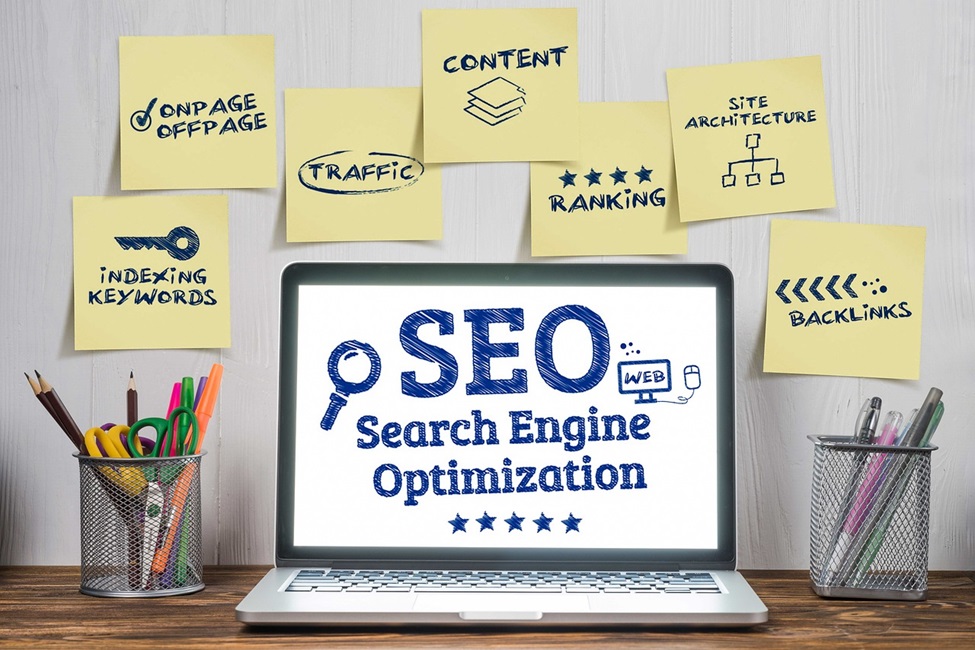
How SEO Optimizers Helps Businesses Stay Ahead in Competitive Markets
Understanding the Importance of SEO in Today’s Market
SEO Optimizers play a critical role in helping businesses thrive in competitive digital landscapes.
Search engine optimization isn’t just about ranking higher—it’s about creating opportunities.
Imagine running a coffee shop in a bustling city.
Your business might offer the best lattes, but without visibility online, potential customers won’t find you.
The same principle applies across industries.
With competition increasing daily, standing out online is no longer optional.
It’s a necessity.
What Makes SEO Crucial for Business Growth?
SEO is like planting seeds in fertile soil.
Each effort you make—whether through keywords, backlinks, or optimized content—leads to long-term growth.
Take my friend Sarah, who owns a boutique clothing store.
She struggled to attract customers until she invested in SEO strategies tailored to her audience.
Within months, her website traffic doubled, and in-store visits increased.
SEO Optimizers also help small businesses level the playing field.
Even if you’re up against established competitors, strong optimization techniques can help you climb search rankings effectively.
It’s not just about spending big—it’s about spending smart.
Key Elements of Successful SEO Strategies
Keyword Optimization
Effective keyword research sets the foundation for SEO success.
Instead of targeting broad terms, focusing on niche-specific phrases yields better results.
For instance, Sarah’s boutique didn’t just target “clothing store” but optimized for terms like “affordable boho dresses.”
This specificity attracted customers looking for exactly what she offered.
Content That Resonates
Your content must speak to your audience’s needs, not just search engines.
When I launched my first blog, I learned this the hard way.
Initial posts were keyword-stuffed but lacked substance.
Once I shifted to addressing readers’ questions and offering actionable insights, engagement skyrocketed.
On-Page SEO Fundamentals
From meta descriptions to internal linking, every element of your webpage matters.
Think of your site as a digital storefront—navigation, structure, and accessibility should all enhance the user experience.
For example, ensuring mobile-friendliness is non-negotiable, as most users browse on smartphones today.
The Role of Analytics in SEO Success
Data is the backbone of any SEO campaign.
Tools like Google Analytics provide insights into what’s working and what isn’t.
When Sarah reviewed her analytics, she noticed most visitors landed on her sale items.
Armed with this knowledge, she focused on optimizing those pages further, resulting in even higher conversions.
Understanding traffic sources, bounce rates, and keyword performance allows businesses to pivot strategies when necessary.
Optimization isn’t a one-and-done deal; it’s an ongoing process of refinement.
Building Authority Through Backlinks
A key driver of SEO success is establishing domain authority.
Backlinks from credible sources act as votes of confidence for your site.
When launching a non-profit initiative last year, I reached out to industry bloggers and local news outlets for collaborations.
Their backlinks not only boosted our site traffic but also improved trust with our audience.
Collaborations, guest blogging, and partnerships are excellent ways to secure quality backlinks.
Adapting to Changing Search Trends
Voice Search and Mobile Optimization
With voice assistants like Siri and Alexa gaining popularity, search behavior is evolving.
Long-tail keywords and conversational queries are now crucial for staying relevant.
Algorithm Updates
Google’s algorithm updates can feel like curveballs.
One update drastically impacted a friend’s online store, dropping her rankings overnight.
By staying informed and agile, she adjusted her strategies, and her site rebounded within weeks.
Measurable ROI From SEO Investments
One of the best things about SEO is its trackability.
Unlike traditional advertising, you can measure precisely how much traffic and revenue your optimizations generate.
Sarah, for example, tracked her monthly organic traffic growth, which allowed her to see a clear return on her investment in SEO services.
Conclusion: Embracing SEO for Long-Term Success
SEO isn’t just about climbing search rankings—it’s about connecting with your audience meaningfully.
Every effort you invest contributes to the bigger picture of sustained growth.